

This morning around the breakfast table we had a lively discussion around cultures and how we perceive them. How come, in Spain, the fiestas are the same every year and children’s birthday parties always have the same cake and the same ritual?
 What are the rituals we engage in that someone else from another culture would consider weird. I remember once at theological college a discussion about body odour occurred. One group of students had complained about the odour of another group. The other group replied that white people smelled “sour”. Even our olfactory function, it seems, has a cultural dimension!
Our world-views are shaped by so many different factors; culture, religion, experiences, family upbringing(was it ever ok to lick the bowls and plates in your family?) and numerous other factors. The first argument after my wife and I were married was who would put the rubbish out for collection. In my family my mother did it because dad’s business was very time consuming and my brother and I helped dad with it. In my wife’s family even though the mum did it, the myth was active that dad would have done it if he was still alive. And yes, I lost the argument.
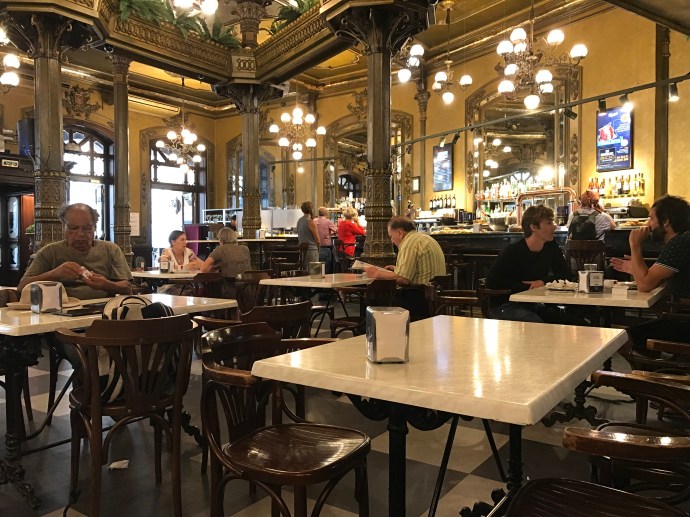
 So here we are in Spain with enough time to get a sense of how a small community ticks. If I transferred these people to Hamlyn Heights what would they say to each other in the privacy of their homes about these strange people in Geelong. Where is the bar? Where do they meet without a bar 100 metres from home? And no siesta! The climate is the same so why not? And, they eat so early!











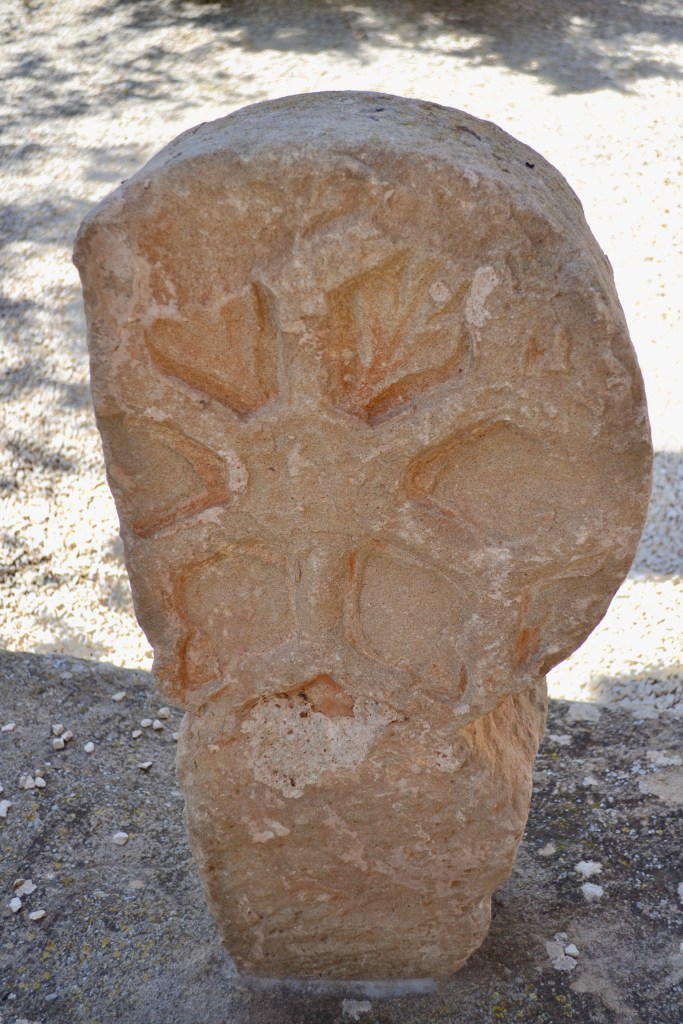

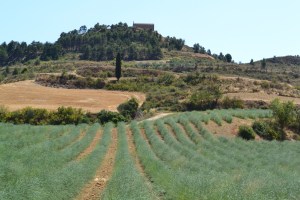
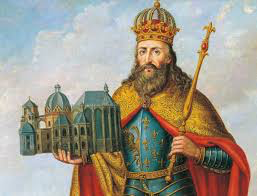 The castle behind Villamayor has a long history. The Romans were here over 2000 years ago and it is believed the castle is built on Roman ruins. Then the Moors came, later the kings of Navarre and also Charles the Great (Charlemagne 742-814) spent time here. There is a story that Charles, unwilling for his men to die in battle asked Santiago (Saint James) which of his men were going to die in a forthcoming battle. Red crosses appeared on the shields of 150 men, so he left these men in the camp. He went into battle and lost no men in battle. When he returned to the camp the 150 men were dead, or so the story goes.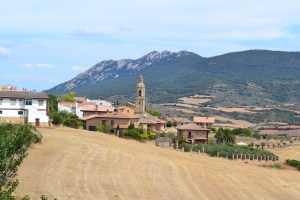





 Travels from Ur