
Here are some of my wife’s reflections on Spain
Being in Spain for a few months has shown me many aspects of this beautiful country.
In the north we travelled a bit around the area of Estella and Pamplona, and then to the west around Logrono and Burgos. The people seem friendly enough and there is a strong sense of community, but they’re reluctant to let you into their lives. A returning wave and a smile is the most you can expect.
But they are hardworking, and this is especially evident when you look at the countryside. Every available field is being cultivated. Much of it was with vineyards.
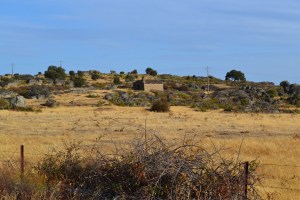
As we continued our trip, to the southwest and into Portugal, the landscape opened up to wide expanses of farmlands. But this was different. It was a harsh land, full of rocks and boulders. Every fence, every building, every road, was made from the rocks of the fields. It was dry country, yet it was productive. Cattle grazed between the boulders. And every so often we saw an ‘orchard’ of solar panels set out in neat rows. There were lots of sunflower crops ready for harvest too. This was a harsh environment but it was far from barren.
In the region of Extramadura we saw the best examples of how this country uses every resource to its maximum capacity. I have been told this region is extremely challenging. A rugged terrain, a hot, dry climate, and a people to match. Our first foray into Extramadura was the Valley of Cherries in the north. It was high in the hills, deep ravines, steep hillsides. But every inch was under the cultivation of cherries. The terraced land had rows and rows of cherry trees as far as you could see.
Further south we encountered the hundreds of olive groves, the vineyards, the cork trees, and the sheep and cattle. Near Zafra we saw fields of oak trees, and on a day’s excursion to the south of the town we saw so many of these trees we asked someone why. The famous Iberian jamon comes from pigs that feast on the acorns that fall from the trees every October.

As if there weren’t enough resources on the surface to avail themselves of, the Spanish also use the wind and the sun for electricity production. Centuries old windmills sit alongside new wind turbines on the ridges. And then today as we drove through the hills towards Córdoba we saw coal mines and cement production facilities.
It seems as if Spaniards have had thousands of years to learn how to get the most from their country, and it is equally true to say they are willing to embrace new technologies to continue doing this into the future.








 Currently it is very warm at night. The one metre thick stone walls take a long time to cool down. In the morning they still contain a lot of heat. Sleeping through the night can be tough with the small open window letting in little air and lots of noise from the local bar and the neighbourhood dog chorus.


 What are the rituals we engage in that someone else from another culture would consider weird. I remember once at theological college a discussion about body odour occurred. One group of students had complained about the odour of another group. The other group replied that white people smelled “sour”. Even our olfactory function, it seems, has a cultural dimension!
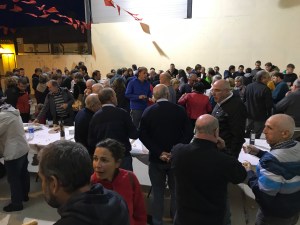
 So here we are in Spain with enough time to get a sense of how a small community ticks. If I transferred these people to Hamlyn Heights what would they say to each other in the privacy of their homes about these strange people in Geelong. Where is the bar? Where do they meet without a bar 100 metres from home? And no siesta! The climate is the same so why not? And, they eat so early!


 Travels from Ur