
Christianity
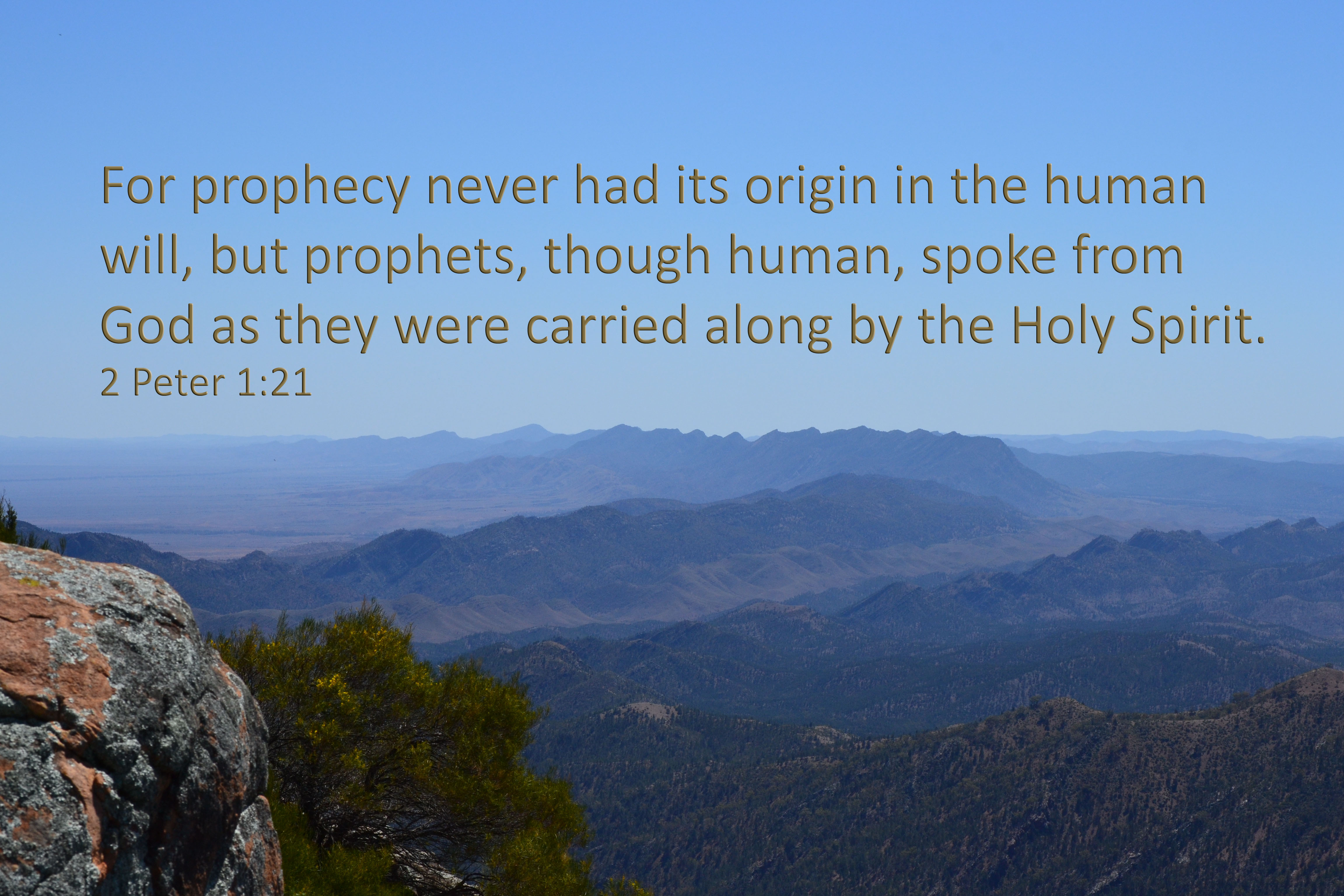
The Origin of Prophecy
Categories: Bible, christian, Christianity, Photo
Tags: Bible, Christian, Christianity, Photo
2 Comments
Whose Words?
Whose words?
challenge the heart
and rattle the mind?
What thoughts
course through our minds?
We crave to have our ears tickled

Keldby Church, Denmark
And hearts caressed.
We long for pleasant words
to justify ourselves.
God’s word
like a two edged sword
cuts deep and leaves
no thought, action or value
untouched,
unearthed
unseen.
Categories: christian, Christianity, Poem
Tags: Christian, Christianity, Poem, poems, poetry
2 Comments
Great Preaching
This long weekend, being hot, and therefore not conducive to physical work, gave me an excellent opportunity to read some old sermons. I read through sermons by George Whitefield, Jonathan Edwards and Charles Spurgeon. It was a great way to while away the hours. While reading the works of these great men a number of thoughts struck me:

Source: pbs.org
1. All the sermons I read were crammed with Biblical quotes and examples. These preachers used the Bible as their primary source. It was the well they constantly drew from; their first port of call. Even though they used the topics of their day, it was God’s Word that they stood on. There were no examples of pop psychology and glib jokes. They spoke on God’s behalf. Their aim was not to tickle ears.
2. The overarching story of Christ, promised in the Old Testament and delivered in the New was always central to their message. I found the cross constantly placed before me. I couldn’t dodge and weave. The Bible was a grand story not a series of fairy tales or even worse, a source of trite examples.
3. Finally, these sermons struck at my heart. They were passionate and didn’t allow me to simply listen for information, feel entertained or do some psychological self examination. Each preacher demanded that I consider my relationship with God and my place in His Kingdom. I was confronted by my brokenness and offered a solution to my condition. Whitefield, in particular, confronted fellow clergy as well.
I am not saying this style of preaching doesn’t occur today. It does, but it is in short supply. I have been to many different churches over the last 30 months. Psychology, information and a lack of passion is easy to find. I have also found passion without content. But Biblical passion, anchored in Biblical teaching seeking souls and declaring a Kingdom are, sadly, in short supply. Any person who feels called by God to preach could do well to go to these preachers of yesteryear and learn a thing or two. Even though I haven’t preached for a while, I felt convicted by these servants of God.
Categories: christian, Christianity, Devotional, Faith, George Whitefield, preaching, Uncategorized
Tags: Charles Spurgeon, george whitefield, Jonathan Edwards, Preaching
Leave a comment
The Christian and Generation Changes
 Much is made of the various generations nowadays – from Baby boomers, to Gen X & Y and whatever other nomenclature is attached. What it tells us is that every generation is impacted by the previous generation and the social environment of the time. Baby-boomers arose out of the dust of war and entered a prosperous new age. “The Pill”, the sheer numbers of young people, wealth and education all had their impact. Today’s young people have a totally different set of influences that shape their view of themselves and the world.
My aim isn’t to analyse the influences on each generation, many sociologists and psychologists have done that, but rather, ask the question: What is the Christian response to this?
I would suggest that every era has had to weigh its life in the light of the gospel. In the time of the disciples, Greek and Roman culture were massive influences on the people of the day. They needed to ask, what is Godly and what isn’t? How has my thinking and behaviour, values and world-view been influenced in ungodly ways by the environment in which I live? The apostle Paul continually reminds his readers about the culture from which they have come: “Therefore, remember that formerly you who are Gentiles by birth…”(Eph 2:11) “Formerly, when you did not know God, you were slaves to those who by nature are not gods.” (Gal 4:8) “See to it that no one takes you captive through hollow and deceptive philosophy, which depends on human tradition and the elemental spiritual forces[a] of this world rather than on Christ.” (Col 2:8)
Paul is passionately aware that we are shaped by our environments – by the popular world-views of the day. He reminds his readers that it is time to be shaped by their new relationship with God through Christ. This is a radical (from the root up) new way of looking at life and the world.

Image:stickergiant.com
That is no different for us or for our children. Our lives should be continually lived in the light of the gospel. Our use of time, wealth, gifts and talents, technology, leisure, social media, entertainment, relationships and so on, all need evaluation in the light of what it means to live a Christ-like life. Our very perspective of how we live life and why we live live life the way we do, should be anchored in Christ.
My dad grew up in the “radio” era, I grew up in the TV era and my kids in the IT and social media era. Each had different challenges and subsequent generations will have new challenges again. The one certainty in all of this is that Christ and the gospel don’t change. It is the constant lens through which every generation must look at the world in which it lives and ask the question: Does my life honour God?
Categories: christian, Christianity, Devotional, Ethics, Faith, Family, Uncategorized, World Views
Tags: Christian, Christianity, Devotion
7 Comments
Memories of Church No.4 – Conflict and Conclusions
The last part – for the time being.
As I grew up, particularly in my teen years, I began to realise that Christians weren’t perfect and conflict was an inevitable part of church life. It became obvious that the words and actions of adults didn’t always match, and that motives were not always pure. One became aware of the cliques and groups – people with different attitudes, agendas or values.
In the early 1960s our church had a very conservative, very Dutch minister. In order to attend communion, which was held every three months, you needed to attend church twice a Sunday. My dad, also Dutch and stubborn, had refused to travel to Geelong twice a Sunday after his little church in Ocean Grove had been closed. “If they close my church, I am only going once!” So the scene was set for conflict. Every three months before communion my family would receive “huisbezoek” – a home visit by the elders and minister. I was allowed to attend the formalities: coffee, Bible reading and prayer. Then I was sent to my room. However I could still hear the “conversation” between my father and the minister clearly through the walls. Dad didn’t give in and neither did Dominee K.
As I stated earlier, Dominee K returned to Holland and we had a new minister who simply asked my dad, “Do you love the Lord?” To which my father replied, “Of course!” and so he was allowed to return to the communion table. And my father started going to church, twice on a Sunday!
The arrival of the Pentecostal movement had far more profound effects. The church became divided, some families split and there were married couples who lived in tension for decades to come, with the death of a partner greeted with relief rather than sorrow as it ended an unhealed past. The power of deeply held beliefs to unify is profound, but its power to divide is monumentally tragic.
Looking back, I can now see the attraction of the charismatic outbreak. There was a joy in God and worship, a recognition of the power of the Spirit and an overall enthusiasm for faith and outreach. At the time there were also excesses and extremism. But that was true of both sides. Both groups saw right on their side. I don’t want to enter into the theology of this division at this point but rather consider the attitudes that people held that didn’t reflect Christ. As a young person at the time I was bewildered. How could beliefs, people and values shift so quickly? On the other hand I was in a privileged position as the two key leaders on both sides of the debate had a profound impact on my life. They were both men who loved the Lord deeply. Their followers were not always that wise. Blacks were made blacker and whites whiter. I have come to reflect that we often justify our attitudes by hardening our positions. There are times when we may need to separate or part ways due to deep disagreements but this can still be done with grace and Christ-likeness. This is particularly true when the heart of the gospel is not compromised.
Over 45 years later, I now work in a school where fellow Christians from a wide variety of evangelical backgrounds respect each other’s differences and work together for the common good of Christ’s Kingdom and Christian education. These changes didn’t happen overnight. It took many, many years. I rejoice often that I have lived to see a day when the values of two men I respected dearly have come to coexist and empower the place where I work. More importantly, I believe because of this healthy co-operation, we can see Christ and His kingdom more clearly.
Hah! But that callow youth back in the late 1960s did not have clue of what God had in mind.
Categories: christian, Christianity, Church, Faith, Family, History, my dad
Tags: Christian, Christianity, Church, Faith, family, history
2 Comments
Memories of Church No.3 – Methodists and Mayhem
This is part 3 of my early recollections of church.
In the mid 1960’s the church to which I now belonged rented a Methodist church that only had a few members left. After a couple of years we purchased the building and added to our congregation a small number of aged Methodists who refused to leave the building they had been part of for their whole lives. One of the “fixtures” was Mr. Robinson who, in his earlier life, had shown 16mm films in the local schools. He was also an expert on first aid and was always willing to give our youth group demonstrations. As we had Dutch parents and grandparents, Mr Robinson was our connection with the new culture in which we lived.
This was also the time that I was starting to think about the future. God put in a number of factors: there was a teacher who urged me to apply for University, which, as I have explained in earlier blogs was light-years away from my parents’ experience, and there was Rev. Deenick who urged me to explore the concept of Christian education. Rev. D. didn’t hit me with all of that at once but over time we had discussions, and he urged me to read certain books and attend particular conferences and so when the time came, in the then, distant future, I was helplessly drawn into a group of people whose aim it was to set up a Christian school, and ended up being a Christian school teacher.
At the time it seemed all so “accidental” but looking back Rev. Deenick and God were in close collaboration.
But I am racing ahead of myself. When I look back, being a Christian was a serous matter. It was not about having fun – and I am ok with that. Awe, obedience and doing things the right way were explicitly and implicitly drummed into us.
Then in the second half of the 1960s an upheaval occurred. One of the professors from the theological college (the “house” I mentioned previously) started teaching the doctrine of a second blessing with the baptism of the Holy Spirit*. To be blunt, theological war broke out and my parents were in the middle of it. As a teenager I pretended nothing was happening, after all, even though church was important there were also music, girls, cars and a bit of study to consider.
Little did I know then that this was part of the Pentecostal/Charismatic tsunami that was to hit Australian churches, and whether I liked it or not, I would have to reflect deeply on the Bible and what I believed.
* Both these men, Rev Deenick and Professor Schep, in opposing theological camps, are mentioned under my blog heading: Melchisedeks.
Categories: christian, Christianity, Church, Faith, Family, History, my dad, Reflections, Uncategorized
Tags: Christian, Christian Education, Christianity, Church, Devotion, Faith, history
2 Comments
Memories of Church No. 2 or Coffee, Calvinism and Cigars
Yesterday I started my reflections on growing up in a migrant church in the 1950s. Today the story continues …
By my mid teen years we were worshiping in Geelong. This congregation, which was much larger, did not have its own building yet and had also moved several times – from a Temperance Hall (with amiable rats) to Church Halls. At this time I attended “Catechism classes”, also in relocated army huts. (A story for another occasion involves the Friday after school Catechism classes held at our home. But that deserves a special heading of its own). Previously we had had Saturday Morning School. Every Saturday morning, (as the name suggests!) the children from Ocean Grove were herded into a windowless van my dad normally used to cart veggies, and were sent to a house in Geelong, which also doubled as a theological college, (these dutchies weren’t shy!) and we spent two hours learning about the Bible, Church History and creation while our Aussie friends played football, tennis or cricket. I must confess they were not my favourite two hours of the week. It was an attempt by our parents and the church to compensate for the lack of Christian education, not as I suspected at the time, a form of sadistic adult cruelty.
Around that time, due to the closure of our church, we started attending church in Geelong which had a very traditional dutch minister. When asked what the church was doing for evangelism, his honest reply was, “We open the doors of the church every Sunday.” He soon returned to Holland (and, I believe, to a “black stocking” church) and a new minister arrived who had a profound impact on my life. Rev. J.W. Deenick was a staunch Calvinist who had an amazing sense of the the Christian’s role in the Kingdom of God. With the gift of hindsight I realise that he planted some of that in me.
The church services were just as dull as usual – the hymns sober, the organ slow and not a

Image: Courtesy, Wikipedia
guitar in sight. I recall on one occasion being reprimanded by my dad for wearing corduroy trousers, “Would you visit the Queen wearing those pants?” “She hasn’t invited me,” I thought but didn’t dare express. However, now with the new minister there were activities to get involved in; Holiday Clubs (or Vacation Bible Schools) to run and Beach Missions to organise during the summer. For a keen teenager this gave purpose to a Christian’s life. Looking back, it was a time when we began to shed our ethnic hangups and sought to become part of Australian society and bring our own unique contributions: coffee, Calvinism and cigars – not necessarily in that order.
All the while we still had our dreaded catechism classes after which followed the more enjoyable youth club time with its topical studies, business meeting and games – as well as meeting girls. This is where I discovered my wife – after a few false starts!
Tomorrow I want to explore my entry into Christian education.
Categories: christian, Christianity, Church, Faith, Family, my dad, Uncategorized
Tags: Christian, Christianity, Church, Faith, family, history
1 Comment
Memories of Church No 1.
Some of my earliest memories centre on Church. In our small migrant community in Ocean Grove during the mid 1950s, our kitchen was the biggest room. So every Sunday the Reformed people would meet at our home. Sometimes a sermon was read and on occasions a visiting preacher would do the honours. My dad played an asthmatic reed organ that he had rescued from somewhere – possibly the tip. He also loved the once a month communion service because the bottle of left over wine was passed on to him – a real treat at a cashed strapped time! I imagine his only regret was that cigars were not part of the service!
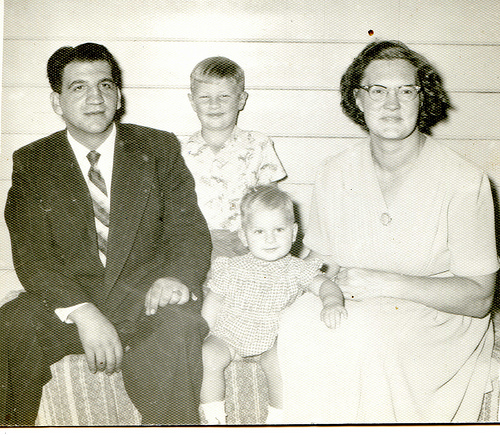
Our family in that kitchen in about 1957. N.B. I was a blond in those days.
When the community grew in size we moved to the “Methodist Camp” which had a hall large enough to accommodate the growing community. My brother was baptised there as a baby in 1956. Later it was the Anglican Church Hall. A time came when we built our own church building over the road from the Primary School. A disused army hut was moved on site and as funds became available it was rebuilt to serve as a multi use hall. The kids were able to help by carrying and painting and serving cups of tea and coffee.
However by the mid 1960s most of the dutch migrants had moved closer to Geelong and to places of work. The church closed and the building was relocated to another town for another small congregation.
This period of time, at the most encompassing 12 years, has warm memories for me. The overwhelming sense is one of community and cooperation. “New Australians” needed each other as they coped with the massive issues of arriving in a new land. For a while we shared a car with one of the other families. People helped each other out and the church building was just a small example of a bigger attitude of selfless service. When babies were born the rest of the children were farmed out – this was so “usual” for us and it was fun to have new brothers and sisters for a week.
This was my first memory of church. It was what I thought church was about. Years later as wealth entered the community and people became more independent something was lost.
But I like to dream. I remember the time when people walked from all corners of Ocean Grove just to come to our kitchen. I remember the laughter as the adults drank coffee and smoked (sorry – I have to tell the truth!) after the service. There were all these friends I could play with and we could take walks near the marshes along the river. That was Sunday and that was church. When I got back home and everyone had left I would find dad settling down with a glass of wine, and a cigar – if he was lucky.
Categories: christian, Christianity, Church, Faith, Family, my dad, Uncategorized
Tags: childhood memories, Christian, Christianity, Church, Faith, family
6 Comments
Providential Intersections
Lately I have been dipping into a book, “The Piety of John Calvin” by the foremost Calvin scholar and translator, Ford Lewis Battles. It is delight to read and casts a wider and more human/humane picture of Calvin than we often read. (If you are obsessed with the Calvin and Servetus controversy I suggest you read the excellent work listed below).
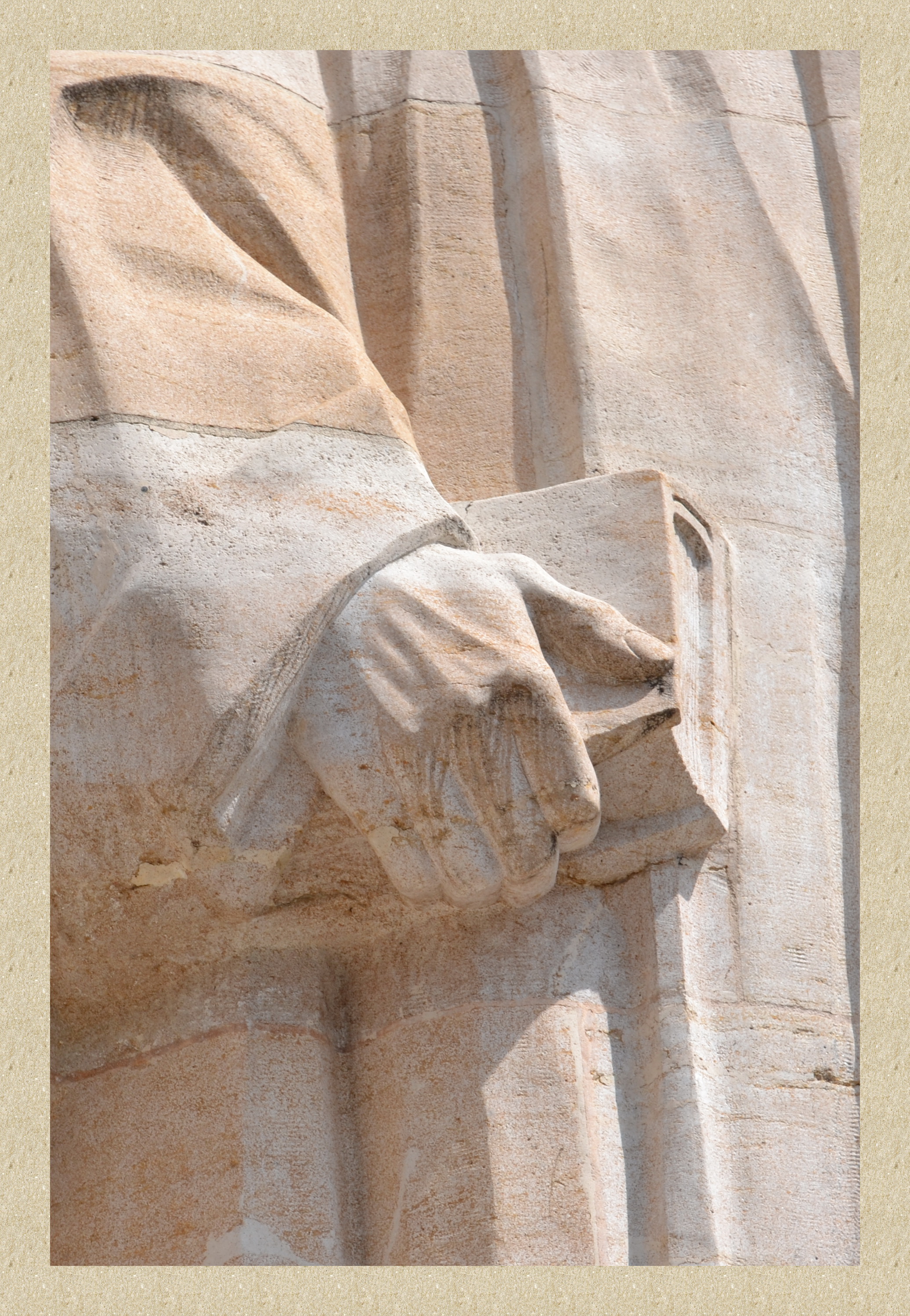 This book has an extra level of joy and that is the providence we see in its pages – the hand of God at work. Battles was a Rhodes scholar who went to study at Oxford in the 1930s. One of his teachers was none other than C.S. Lewis who introduced him to the classics of theology. Battles stated that this led to a “rebirth into faith all too imperfectly received in my childhood when I was sent to the early Christian fathers by my academic supervisor, C.S. Lewis of Oxford University.” (p11).
Battles died in 1979. “The Piety of John Calvin” has since been republished with a preface by his daughter, Nancy, who describes her father’s pre-laptop computer attempt in developing a well catalogued version of Calvin’s work and that his effort to do this well was inspired by the medieval monks who spent a great deal of effort producing handwritten and illuminated works.
I hope to write more about this book in the future but my question for today is a simple one. Are we aware of the saints who preceded us who have shaped and directed our lives? Who has inspired us to do well, to serve well and live well? In an age when “the present” is king and we deify this moment on Facebook, Twitter and Instagram, do we stop long enough to reflect on the positive influences from the past?
These saints of the past may have come to us via books and studies we have pursued. Let us be thankful that God has given us a lineage of influences linked throughout the centuries. For Battles, church fathers, medieval scholars and C.S.Lewis were just some of the intersections that God put along his path.
PS. A balanced article by the renowned scholar Lorraine Boettner on “Calvin and Servetus”: http://the-highway.com/servetus_Boettner.html
Categories: Book Review, christian, Christianity, Church, Reflections, Uncategorized
Tags: Christian, Christianity, Ford Lewis Battles
Leave a comment
Islam and Christianity
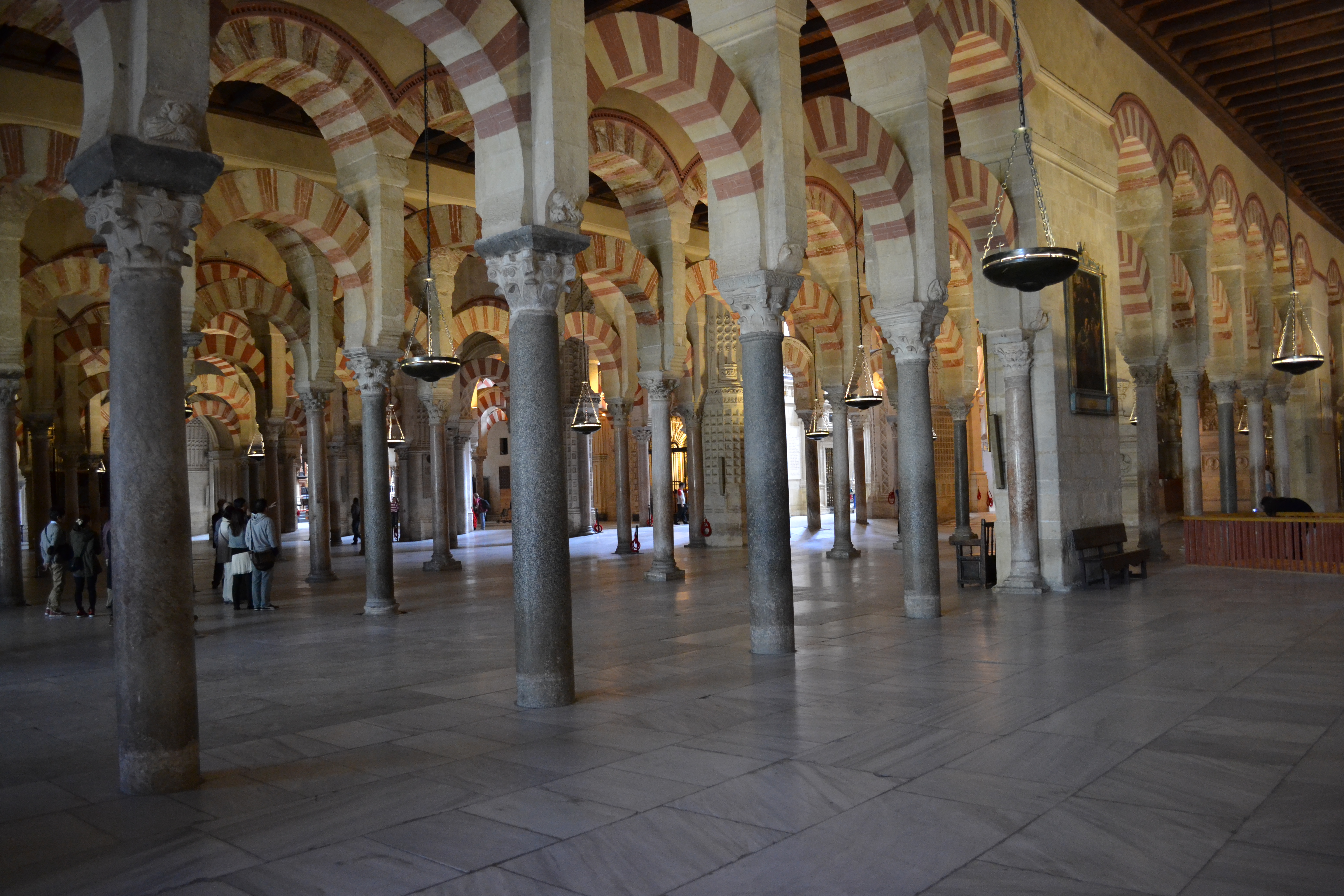
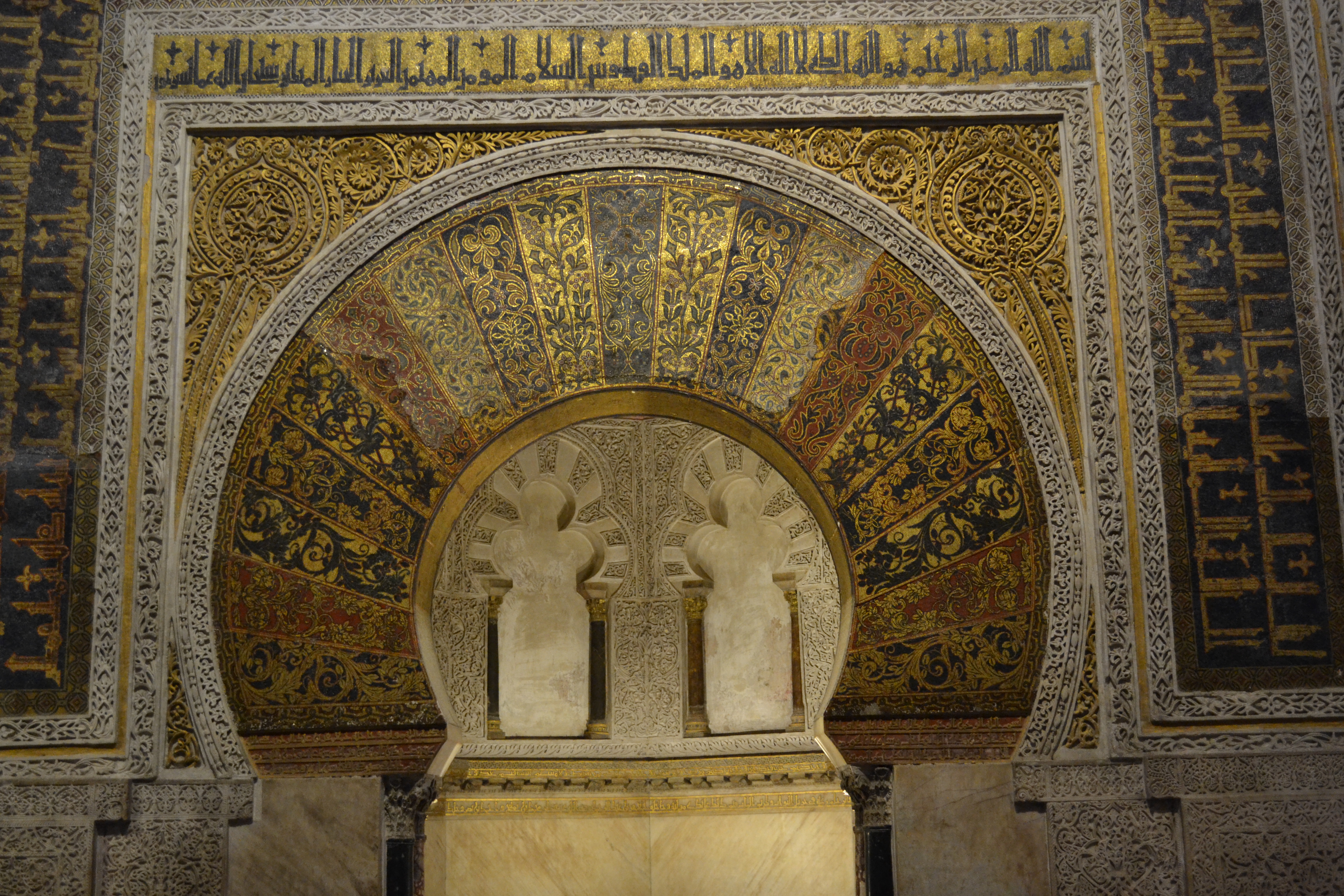
I was going through some of my photos looking for an illustration of the historical tension between Christianity and Islam. Then I came across the Mezquita in Cordoba. It epitomises this struggle – a Cathedral built into the centre of a mosque. It is an historical picture of a current reality.

Categories: christian, Christianity, History, Photo
Tags: Christian, Christianity, Cordoba, Islam, Mezquita
Leave a comment


 Travels from Ur