
There is a small but growing group of Christians who are eager to see the children of the church integrated into the life of the Church body and not just pandered to by programs. Although programs, in and of themselves can be quite useful, they can also stymie the discussions that churches and families need to have about faith formation in the life of their children. Programs by themselves often focus on knowledge (cognition) and what is missed is the beautiful mystery of faith and the excitement of disciple development. I have written on previous occasions about the importance of the child’s vocation in the church. (Here is just one example).
Last night I heard David Csinos, who describes himself as an author, speaker, practical theologian, husband, researcher of children’s spirituality, and former children’s 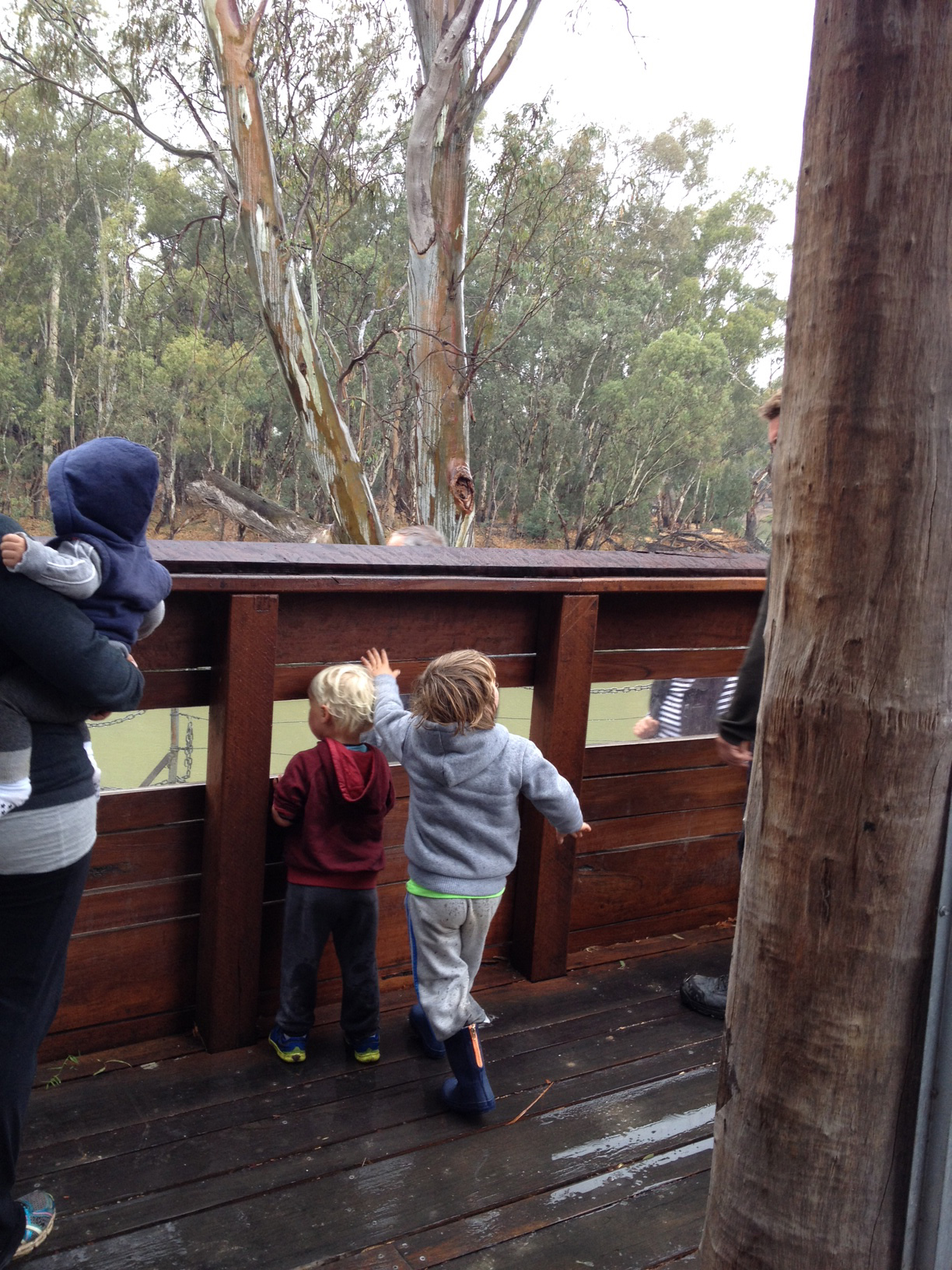 pastor, speak in Geelong. This was encouraging for a variety of reasons. It reminded me that there are more voices and often more articulate voices speaking out on this issue and it also caused me to reflect that this is not “rocket science” but requires families, churches and church leaders to engage in a prayerful discussion of how faith is developed in the most vulnerable and important members of our church communities.
If you wish to explore this important notion I have included some websites and books to explore:
- David’s blog: http://davecsinos.com/
- The Journal of Family and Community Ministries (which is free to subscribe to): http://www.familyandcommunityministries.org/
- A wonderful book is : Children’s Ministry in the way of Jesus by Ivy Beckwith and David Csinos. This is a good place to begin your reflections if you haven’t started already, or to continue your journey.
- Is it a Lost Cause: Having the Heart of God for the Church’s Children by Marva Dawn.
- And if you look under Child Theology you will encounter more of my thoughts/musings on the issue.
- Another worthwhile approach is taken by the Child Theology Movement.


 am of many things.
  y wife and I go camping it is very unusual if we don’t end up near water. We love camping near rivers, lakes and, especially,the ocean. Some of our most memorable camping experiences have been next to water of some sort. In a blog I did over a year ago –
 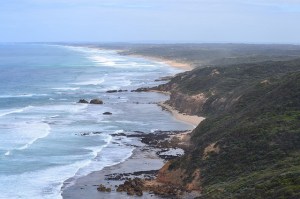 almness to fury and back again. A raging angry river, a placid sea or an agitated lake all remind us of traits in ourselves. There are other aspects. Some watery places are secluded and intimate, others are large and expansive and still others are mischievous or treacherous. Recently walking along the beach I noted that the most dangerous part of the ocean wasn’t the foaming surf but the dark rip of water that could have taken an unsuspecting swimmer hundreds of terrifying metres out into the ocean.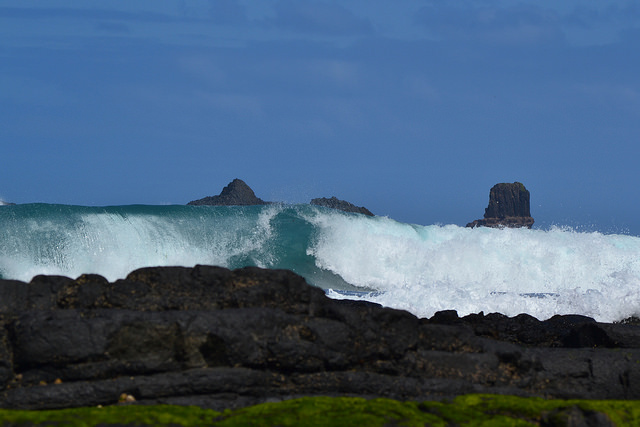
 s, at about the time Anne has a stroke. We then see the struggles that this stage of life introduces them to and their attempts to deal with that.


 Travels from Ur